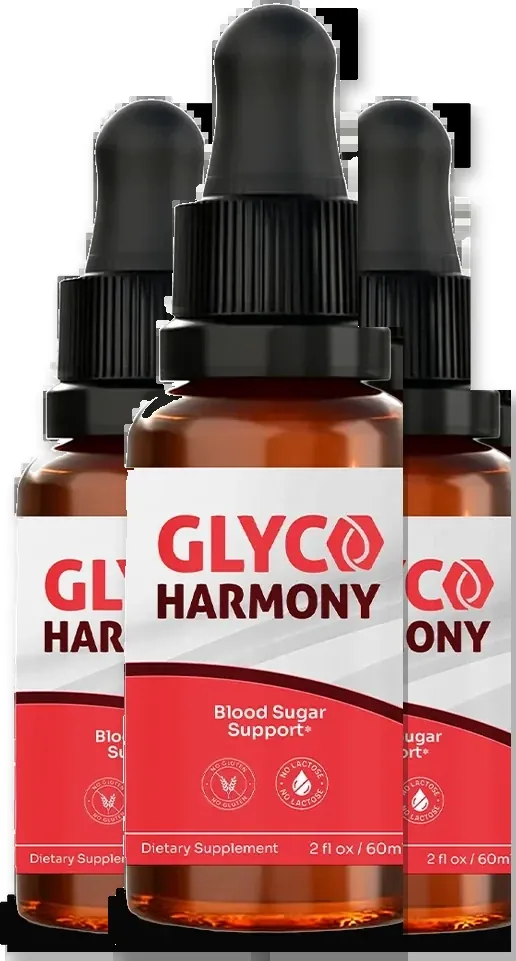
Guide
A1C and Fasting Glucose: What Your Numbers Mean
A fasting glucose under 100 mg/dL is normal, 100 to 125 is the prediabetes range, and 126 or higher is the diabetes range. For A1C, under 5.7% is normal, 5.7 to 6.4% is prediabetes, and 6.5% or higher is diabetes. A diagnosis needs a repeat test and a clinician. No study shows Glyco Harmony changes either number.
Written by the Glyco Harmony research deskUpdated
01The two tests
What do A1C and fasting glucose actually measure?
Fasting glucose is a snapshot of one morning. A1C is a longer average.
A fasting glucose test checks the sugar in your blood after you have gone without food overnight. It shows where you stand on that one morning. A late snack, a bad night or a cold can push it up.
A1C works differently. Sugar in the blood sticks to red blood cells, and the test reports the share that is coated, as a percent. Because those cells live for weeks, the result reflects a longer stretch of time than any single finger prick.
A third test, the oral glucose tolerance test, checks your level two hours after a sweet drink. Clinics use it less often, but it has its own ranges (NIDDK, Diabetes & Prediabetes Tests).
- Fasting glucose: measured in mg/dL, after at least an overnight fast.
- A1C: measured in percent, no fasting needed.
- Two-hour test: measured in mg/dL, after a set glucose drink.
- Home meter: handy for daily tracking, but not the lab test used to diagnose.
02The ranges
What are the normal, prediabetes and diabetes ranges?
The cutoffs below come from the NIDDK. Type a reading into the finder to see its band.
Fasting glucose (mg/dL)
- LowUnder 70 mg/dL
- NormalUnder 100
- Prediabetes range100-125
- Diabetes range126 or higher
A1C (%)
- NormalUnder 5.7%
- Prediabetes range5.7-6.4%
- Diabetes range6.5% or higher
Type a fasting reading or an A1C to see its range. A diagnosis needs a repeat test and a clinician.
Ranges from the NIDDK (NIDDK, Diabetes & Prediabetes Tests); low under 70 mg/dL for many people with diabetes (NIDDK, Low Blood Glucose). A home meter is not a diagnostic test.
| Test | Normal | Prediabetes range | Diabetes range |
|---|---|---|---|
| A1C | Under 5.7% | 5.7-6.4% | 6.5% or higher |
| Fasting plasma glucose | Under 100 mg/dL | 100-125 mg/dL | 126 mg/dL or higher |
| Two-hour glucose tolerance test | Under 140 mg/dL | 140-199 mg/dL | 200 mg/dL or higher |
The prediabetes and diabetes bands are from the NIDDK; the normal column is simply what falls below them (NIDDK, Diabetes & Prediabetes Tests). A reading in the middle band is a warning, not a verdict. It is the stage where habit change works best, as our prediabetes plan explains.
03One reading
Why is one high reading not a diagnosis?
Because a single result can be off for many reasons. The NIDDK says a diagnosis requires confirmation.
Your level moves through the day. Stress, poor sleep, an infection or some medicines can raise it for a while. A lab can also make small errors. That is why clinicians repeat a test, or pair two different tests, before they use the word diabetes (NIDDK, Diabetes & Prediabetes Tests).
Note the number and the date
Write down the result, the test type and whether you had fasted.
Ask what comes next
Your clinician may repeat the same test or order an A1C to compare.
Look at the pattern
Two results in the same band carry far more weight than one.
Plan the follow-up
Agree on when to test again, and what changes to try in the meantime.
A home meter is useful for spotting patterns. It is not the lab test used for diagnosis, so bring its log to the visit instead of judging it alone.
04Too low
What counts as a low reading, and what should you do?
For many people with diabetes, under 70 mg/dL is low. Lows matter most for people on certain medicines.
Insulin, sulfonylureas and meglitinides can drag blood sugar too low. Early signs include shakiness, sweating, hunger, dizziness, confusion and a fast heartbeat. The usual fix is 15 to 20 grams of fast carbohydrate, then a recheck after 15 minutes (NIDDK, Low Blood Glucose).
A severe low can cause a seizure or loss of consciousness. If someone faints, has a seizure or cannot safely swallow, call 911. Do not put food or drink in the mouth of a person who is not awake (NIDDK, Low Blood Glucose).
Some supplement ingredients may add to diabetes medicines. Chromium is one of them, and the ADA warns that some supplements can cause lows alongside these drugs (NIH ODS, Chromium) (ADA, Vitamins & Supplements). Keep taking prescribed medicine; never stop or change it because of a supplement. Instead, tell your care team about anything new you take. The medicine and supplements guide covers this in depth.
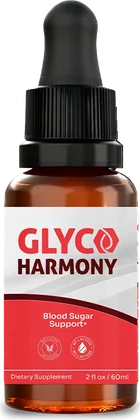
Glyco Harmony: from $36 a bottle60 mL drops · 2, 4 or 8 bottles · free US shipping on 4 and 8 · 60-day money-back
See packs05Too high
What are the signs that blood sugar is running high?
High blood sugar often feels like nothing at all. When it does show, these are the common signs.
Everyday signs
Peeing often, feeling very thirsty or hungry, weight loss you did not plan, tiredness and blurry vision. Infections may also come more often (CDC, Symptoms of Diabetes).
Signs that build over time
With type 2, sores may heal slowly, and some people feel numbness or tingling in the hands or feet (CDC, Symptoms of Diabetes).
Many people with high readings feel fine. About 11.0 million US adults have diabetes and do not know it (CDC, National Diabetes Statistics Report). That is why a routine A1C or fasting test is worth asking for, even when you feel well. If any of these signs appear, book a visit rather than waiting for a yearly checkup.
06Where drops fit
Can Glyco Harmony change your A1C or fasting glucose?
No trial has tested the drops, so no one can say. The research on single ingredients is small and mixed.
Glyco Harmony lists 0.7 mcg of chromium per mL. Glucose studies of chromium used about 200 to 1,000 mcg a day, and a 2019 review found only slight drops in fasting glucose and A1C in people with diabetes, with no change in healthy people (NIH ODS, Chromium).
Ginseng trials found fasting glucose about 5.6 mg/dL lower, but no effect on A1C, at doses from 100 mg up (Shishtar et al., PLoS One 2014). Gymnema showed a small fasting drop at 200 to 400 mg of extract (Drugs.com, Gymnema monograph). The drops share 200 mg across 22 blend ingredients, so each one averages about 9 mg.
The brand's render shows a meter reading 98 beside the bottle. That number is art, not a result. See the chromium page for the full dose comparison.

07Tracking
How should you track your numbers if you try a supplement?
Keep the same habits and the same medicines, write everything down, and let your doctor read the pattern.
- Before you start
Get a recent A1C or fasting result from your clinic. Write down your medicines, doses and usual meter readings.
- Days 1-30
Take only the label amount: 1 or 2 droppers a day. Check at your usual times and note any lows, poor sleep or jitters.
- Day 30 check
Look at your log with your doctor or pharmacist. A few points either way is normal day-to-day noise.
- Next lab test
A1C takes time to move. Compare it with the earlier result and decide, with your clinician, whether the drops are worth keeping.
Changes in food, activity or weight during the same weeks will muddy any result. If you start walking more and take the drops, the walk deserves most of the credit. Our what to expect page sets out a realistic timeline for the drops themselves.
08FAQ
A1C and fasting glucose questions
What is a normal fasting blood sugar level?
Under 100 mg/dL after an overnight fast. The NIDDK puts 100 to 125 mg/dL in the prediabetes range and 126 or higher in the diabetes range. One reading is not a diagnosis, so a high result should be confirmed with a repeat test and a talk with your clinician.
Is an A1C of 5.9 prediabetes?
Yes, 5.9% falls inside the NIDDK prediabetes range of 5.7 to 6.4%. It is a warning sign, not diabetes. Lifestyle change at this stage has strong evidence: in the Diabetes Prevention Program it cut type 2 risk by 58%. Ask your clinician when to retest.
What A1C level means diabetes?
An A1C of 6.5% or higher is in the diabetes range, according to the NIDDK. A diagnosis still needs confirmation, usually a second test on another day or a fasting glucose result that agrees. Your clinician makes the call, not a single number.
Can a home glucose meter diagnose diabetes?
No. A home meter is a tracking tool for daily patterns, and it is not the lab test used to diagnose diabetes or prediabetes. Bring your meter log to your visit; your clinician will use lab tests such as A1C or fasting plasma glucose to decide.
What blood sugar level is too low?
For many people with diabetes, under 70 mg/dL is low. Signs include shakiness, sweating, hunger, dizziness, confusion and a fast heartbeat. The NIDDK advises 15 to 20 grams of fast carbohydrate and a recheck in 15 minutes. Fainting or a seizure needs a 911 call.
Will Glyco Harmony lower my A1C?
There is no evidence that it will. No trial has tested the drops. Chromium reviews found only slight A1C drops in people with diabetes at doses hundreds of times higher than the 0.7 mcg per mL in Glyco Harmony, and ginseng trials found no A1C effect.
Why did my fasting glucose go up for one day?
Many things raise a single morning reading: poor sleep, stress, an illness, a late meal or some medicines. One high result is not a trend. Note it, keep your usual routine and medicines, and check again. If readings stay high, tell your clinician.
09Who wrote this
Written and reviewed by
Pages built from the label, the official sales page and linked NIH, CDC, FDA, FTC and peer-reviewed sources.
Last updated . Read our editorial policy and how we check reviews. This website is run by a U.S. stocking partner, not by the manufacturer or the label's distributor. We earn money when you buy through our order links.
Keep reading
More about Glyco Harmony

U.S. stocking partner for Glyco Harmony
Ready to try Glyco Harmony?
Check your medicines first, then pick a pack. Bigger packs cost less per bottle, 4 and 8 bottles ship free in the US, and the guarantee runs 60 days from purchase.
- Official checkout (ClickBank)
- 60-day money-back
- Free US shipping on 4 and 8 bottles