Blog
Can a Supplement Lower Blood Sugar? What NIH, ADA and the DPP Say
No supplement is proven to lower blood sugar in people without a deficiency, say the ADA and the NCCIH. A few single ingredients, such as chromium, gymnema and ginseng, show small effects at doses far above what most products hold. The best-supported step is lifestyle change, which cut type 2 risk by 58% in a major trial.
Written by the Glyco Harmony research deskMedically reviewed by Dr. Sushma Reddy, MD, Physician · Published · 7 min readLast updated

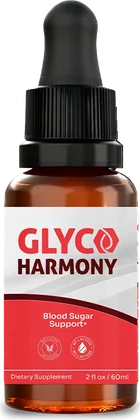
If you still want to try a supplement, choose with the facts in hand. The official page shows Glyco Harmony's price and guarantee.
We earn money when you order through this button. The price you pay is the same.
01The short answer
Is there a supplement that lowers blood sugar?
Not one with reliable proof. The ADA's Standards of Care name no supplement that is proven to lower blood glucose in people who are not deficient (ADA, Vitamins & Supplements). The NCCIH says there is no reliable evidence that any herbal supplement helps control diabetes, and it calls swapping treatment for an unproven product a real danger (NCCIH, Diabetes and Dietary Supplements).
That is not the same as saying nothing ever moved a number in a lab. Some ingredients showed small effects in small studies. But small, short and at high doses is different from a safe, proven product you can buy off a shelf.
So the better question is: what is the evidence, at what dose, and does the product actually contain that dose?
02At a glance
Key facts
- No supplement is FDA approved. The FDA does not approve supplements before sale (FDA, Using Dietary Supplements).
- ADA: no supplement is proven to lower blood glucose without a deficiency.
- NCCIH: no dependable proof that herbs control diabetes.
- Chromium, gymnema, ginseng and L-carnitine show small effects at far larger doses than most products hold.
- Lifestyle change cut type 2 diabetes risk by 58% in the Diabetes Prevention Program, and metformin by 31%.
- Supplements can add to diabetes medicine and cause lows. Never stop a prescribed drug because of one.
03The research
What does research say about common ingredients?
| Ingredient | Studied amount | Finding |
|---|---|---|
| Chromium | 200-1,000 mcg a day | Slight drops in some people with diabetes; none in healthy people (NIH ODS, Chromium) |
| Gymnema | 200-400 mg a day of standardized extract | Small fasting-glucose drop in small trials (Drugs.com, Gymnema monograph) |
| Panax ginseng | About 100 mg to 20 g a day, mostly root | A modest fasting drop of about 5.6 mg/dL; no A1C change (Shishtar et al., PLoS One 2014) |
| L-carnitine | 2-3 g a day | Some glucose improvement in type 2 studies; more trials needed (NIH ODS, Carnitine) |
Notice the pattern: the doses are in hundreds of milligrams or grams. A typical dropper-sized liquid cannot hold that much of several ingredients at once. We do not cover cinnamon, berberine, fiber or other popular ingredients here, because the sources we use do not address them, and we will not guess.
04Rankings
Why is there no real answer to 'best blood sugar supplement'?
Because nobody has run the test that would give one. A fair ranking needs head-to-head trials of finished products, at stated doses, with real outcomes. We found none.
What you find instead are lists written to sell. Some sites earn a commission on the top pick, as this one does on Glyco Harmony. A few tell you so. Many do not. When a page names a 'winner' and cites no study of the product, treat the ranking as an opinion.
The same goes for 'FDA approved blood sugar supplement'. That phrase cannot be true. The FDA does not approve supplements, and a label that says otherwise is a warning sign.
05The standard
What should a supplement show before you trust it?
The FTC's view is a good yardstick. Health claims need solid human trials of the same product (FTC, Health Products Compliance Guidance). In plain steps:
The same product
The finished drops, capsules or powder, not single ingredients tested alone.
The same dose
The amounts on the label, taken as directed.
A fair control
A placebo group, and nobody knowing who received which.
Real outcomes
A1C and fasting glucose over months, plus side effects.
Stories, test-tube work and animal studies fall short of that bar. A disclaimer does not fix a misleading claim.
06With medicine
Can you take blood sugar supplements with metformin or other medicine?
Sometimes, with your doctor's agreement. The risk is a low. Insulin, sulfonylureas and meglitinides can drag glucose below 70 mg/dL by themselves (NIDDK, Low Blood Glucose), and a supplement with any glucose effect can add to that. Some low-quality astragalus studies even hint at added lowering with metformin (NCCIH, Astragalus).
Bring the full label to your pharmacist. Ask how often to check your sugar and for how long. Keep taking prescribed medicine; never stop or change it because of a supplement.
07Real proof
What has real proof for lowering diabetes risk?
Habits. The Diabetes Prevention Program pitted lifestyle change against metformin and a placebo in high-risk adults. The lifestyle group won on risk: down 58% overall and 71% for those 60 and older, against 31% for metformin. Supplements were not part of the trial (NIDDK, Diabetes Prevention Program).
The CDC's plan from that trial is to lose about 5 to 7% of body weight and keep up at least 150 minutes of brisk activity each week (CDC, Prediabetes). Confirm your numbers first. A fasting glucose under 100 mg/dL and an A1C under 5.7% are in the normal range (NIDDK, Diabetes & Prediabetes Tests).
08Where this leaves us
Where does Glyco Harmony fit in all this?
As a small, untested extra. Its label says 'Blood Sugar Support*', not that it lowers blood sugar. It lists 0.7 mcg of chromium per mL and a 200 mg blend of 22 ingredients with no single amounts. No trial has tested it. It is not FDA approved, as no supplement is.
That does not make it unsafe for a healthy adult on no medicine. It does mean you should not expect it to do the work of food, movement and your care team.
09Questions
Frequently asked questions
What supplement lowers blood sugar the best?
None has reliable proof. By the ADA's reading, no supplement is proven to lower glucose without a deficiency. Chromium, gymnema, ginseng and L-carnitine show small effects in studies, at much larger doses than most products hold.
Is there a natural or herbal supplement to lower blood sugar?
Some herbs have small studies, but the NCCIH finds no reliable evidence that any herbal supplement controls diabetes. Natural does not mean proven, and herbs can interact with medicine.
Do blood sugar supplements actually work?
The evidence is weak. Small trials of single ingredients show small effects at high doses. For finished products, trials are rare, and the products we have checked have none.
Is there an FDA approved blood sugar supplement?
No. The FDA does not approve dietary supplements for safety or effect before they are sold. A label or ad that says otherwise is a red flag.
Can I take a blood sugar supplement with metformin?
Ask your doctor or pharmacist first. Some ingredients may add to diabetes medicine, and the ADA warns about lows. Do not stop or change a prescription on a supplement's account.
What lowers blood sugar that has real proof?
Lifestyle change. In the Diabetes Prevention Program, type 2 risk fell 58% with a 5 to 7% weight goal and 150 minutes of weekly activity.
10Bottom line
Our view
The question has a clear answer from the people who study it: no supplement has reliable proof of lowering blood sugar, and a few single ingredients show small effects at doses most products do not reach. We find that answer both sobering and freeing.
Freeing, because you do not need to hunt for a secret product. The strongest evidence sits with habits that cost little: a steady weight goal, regular walking, better meals and a doctor who knows your numbers.
If you add a supplement, add it as an extra, tell your care team, and judge it by your own log.
Glyco Harmony is one small, untested option inside a bigger plan. See the price and guarantee if it fits yours, and talk to your doctor first.
We earn money when you order through this button. The price you pay is the same.
Page record. Written by the Glyco Harmony research desk. Medically reviewed by Dr. Sushma Reddy, MD, Physician, on October 15, 2026. Published . Last updated .
This page is general information, not medical advice. Glyco Harmony is a dietary supplement. It is not FDA approved, because no supplement is, and it does not treat or cure any disease. This website is run by a U.S. stocking partner, not by the manufacturer or the label's distributor, and it earns money when you buy through its order links. Read our editorial policy.